
From dazzling city lights to the vibrant energy and modern innovation in travel, these are the things that often come to mind when you’re taking a journey across Japan. But long before the nation’s high-speed trains reshaped the way people travel, the Nakasendo Trail was the most celebrated route that connected Kyoto and Edo, now known as Tokyo.
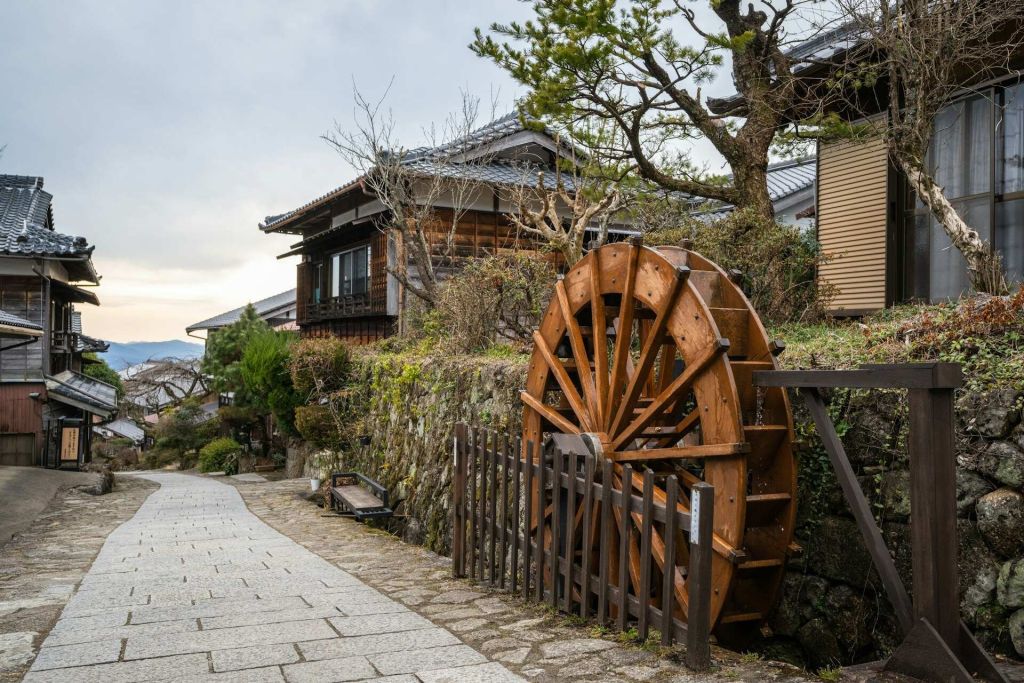 Photo by
 Today, taking on this journey becomes an experience of quiet discovery, providing travellers a rare opportunity to see a part of Japan you’d otherwise miss. Whether it’s hiking through stretches of forested paths or stopping by the preserved post towns along the route, the Nakasendo Trail proves itself to be more than just a scenic walk. Rather, it’s a way to recalibrate your mind and soul amid its nature and history, offering a welcoming pause as you discover the Japan that once was.
Exploring the spirit of the Nakasendo Trail
Nakasendo translates to “the journey through the mountains”, with its shaded pathways once hosting the likes of samurai, merchants, and ambassadors navigating between Kyoto and Edo of the past. Stretching roughly 530 kilometres, the route was considered one of Japan’s major routes between 1603 and 1867 as it crossed through five provinces and 69 post towns.
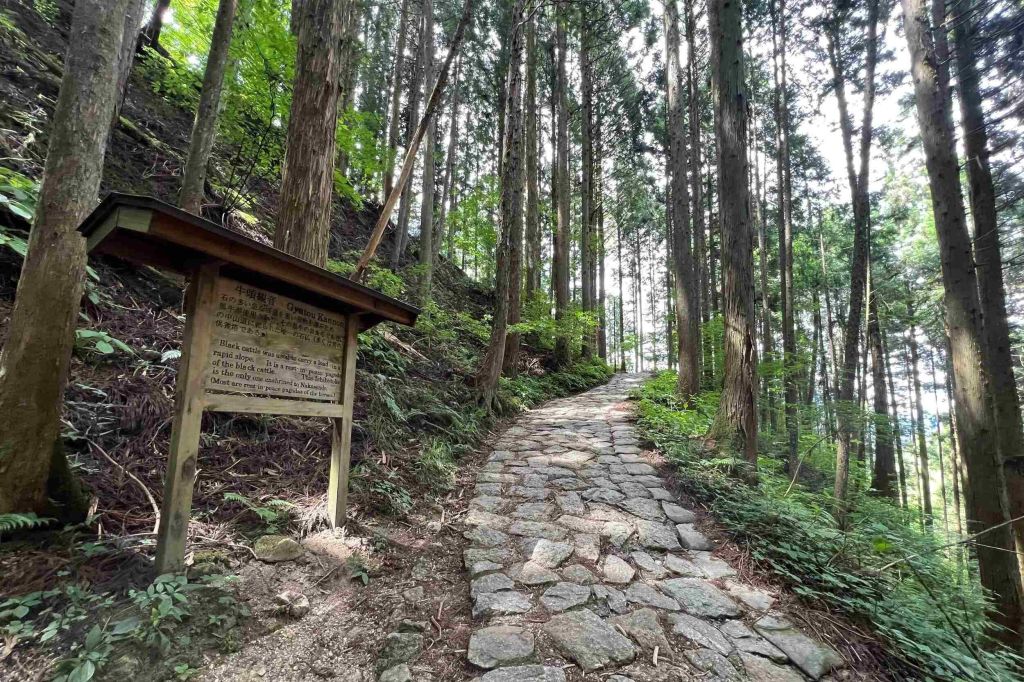 Today, fragments of the original stone pathways continue to lead travellers from one post town to the next, running through modern-day prefectures of Saitama, Gunma, Nagano, Gifu, and Shiga. Between the towns, the Nakasendo Trail slips into cedar and cypress forests, where the soft crunch of footsteps and deep thoughts become the soundtrack to your unforgettable journey.
Unlike traditional travels where destination visits feel hurried, walking the trail is often enjoyed slowly and stopping to get some hands-on experiences at a local craft is recommended. For instance, your hike into Magome Juku can lead to you learning how to make traditional Gohei Mochi. Served sweet or savoury, the grilled mochi made of short-grain rice offers a firmer texture than that of a standard mochi that you’ll find elsewhere, and is a regional speciality not to be missed.
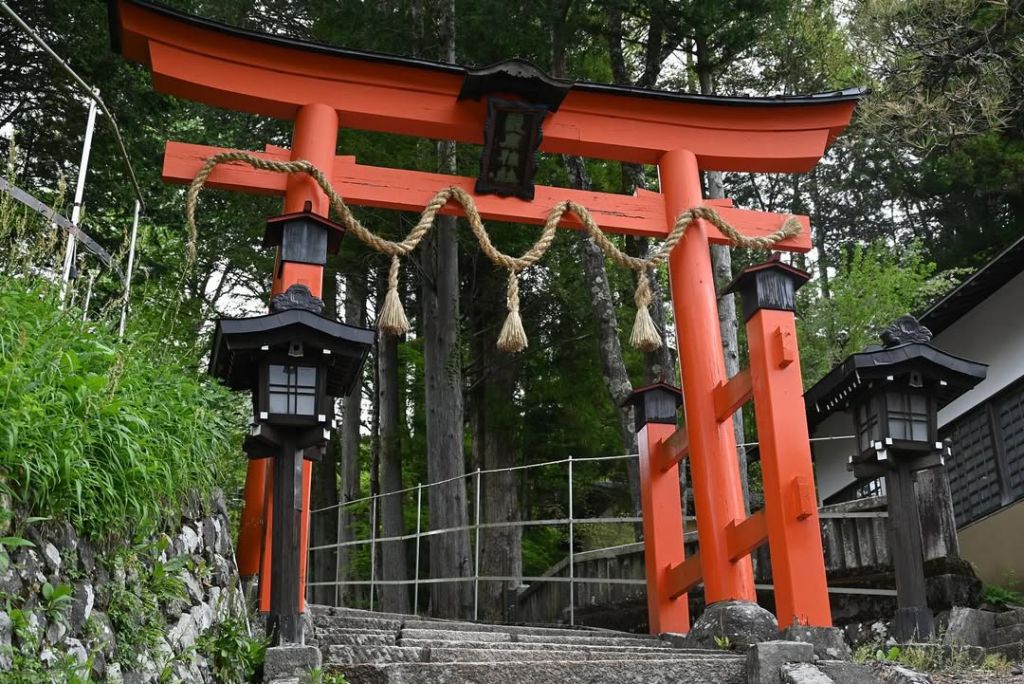 Continuing on in the upcoming days, it won’t be long until you find yourself traversing through the lantern-lit streets of Tsumago or soaking in the views from the breathtaking Torii Pass. But beyond the journey of the trail, it’s the towns that have been quietly preserved that astound those who trekked the route before you. Whether it’s their wooden inns or understated shopfronts, the stops along Nakasendo never feel staged for visitors, but rather like living chapters of Japan’s past that slowly unfold at their own pace.
Embracing the art of traditional rest and restoration
As the sun dips behind the mountains from your daily exploration, the trails will slowly guide you toward the quiet embrace of a traditional ryokan in the post towns. For a more local experience, the minshuku – or guesthouses – that have been cared for by the same families for generations also make a great option.
What makes these heritage spots special is that they offer more than a place to rest your head following a long day of travelling between towns. Instead, they become a continuation of the journey itself. Sliding open the shoji screens, you’ll be greeted by tatami-lined rooms and neatly arranged futon bedding, all of which await you in a space that’s designed to welcome quiet reflection.
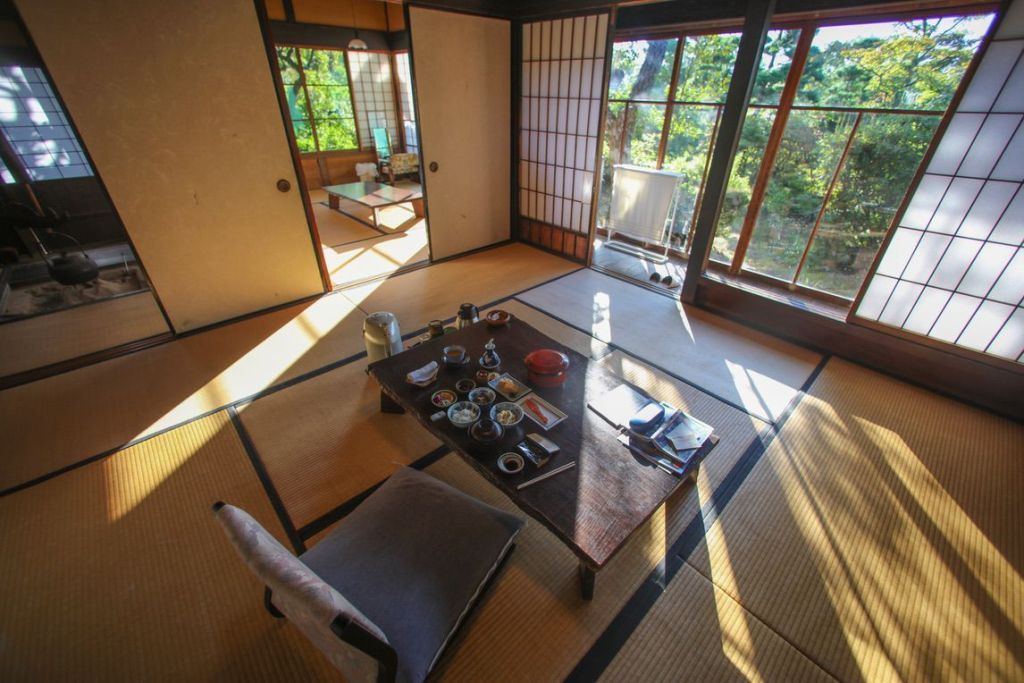
To satiate your hunger following the long journey on the Nakasendo Trail, we recommend tucking into the multi-course kaiseki dinners prepared by the inns themselves. From river fish to mountain vegetables that reflect the season and region’s bounty, every dish is a small act of artistry that restores your body from within. In-room dining is popular for those looking to savour the local flavours in private, but joining the others in the shared dining space offers an equally enjoyable experience as you share stories from the trail.
In select towns, the restorative ritual of relaxing in the mineral-rich onsen baths is a must-try. A visit to Gero Onsen, one of Japan’s Three Great Hot Springs, is one such example to soothe your tired muscles after a long walk through the Nakasendo Trail. Known to be a tranquil rhythm set amid a mountain retreat, there’s no better way to prepare your body for your next day’s adventures.