
If you’ve scrolled through social media enough, you’ve definitely come across the Northern Lights at least once. For many, seeing the Northern Lights swirling in front of you is a dream come true and perhaps even an extremely romantic moment to share with your loved one. As such, you’ll often catch couples getting engaged under the emerald skies or even taking their pre-wedding photos.
While this gorgeous and natural light display is something many adventurous travellers seek, seeing the curtain-like dance of lights can be hard if you head out unprepared. So, read on to discover our guide to an unforgettable holiday and perhaps even complete what many deem a must-do at least once in your lifetime.
What are the Northern Lights?
 Photo by Nicolas J Leclercq on Unsplash
Also known as the Aurora Borealis, the Northern Lights are a natural phenomenon that occurs when charged particles from the sun collide with the gas from Earth’s upper atmosphere near the magnetic poles. This results in what appears to be colourful, dancing lights in the sky with colours such as red, green, blue, and occasionally a beautiful purple or pink. Much of this depends on the altitude of the collision and the type of gas involved, including oxygen and nitrogen.
In the past, the Northern Lights were a rare occurrence that happened only at destinations close to the Earth’s magnetic poles. However, the increase in solar activities of recent years brings forth plenty more opportunities for holidaymakers to also experience the Aurora Borealis if they just know where to find it. And that’s what – among other things – our guide will help you do.
Prepare for take-off: Where do you go when you’re chasing after an Aurora Borealis?
The start to seeing the Northern Lights is knowing where to go if you’re chasing them. One of the most iconic destinations would be Reykjavík. Set near the Arctic Circle, Reykjavík is Iceland’s capital city. It’s also known as a city that’s in the “auroral zone”. This means that the opportunities of spotting the Northern Lights here are usually higher and much more frequent.
Reykjavík’s long, winter evenings also offer travellers more time to enjoy nature’s light show without the need to rush. Furthermore, the city has a low density of locals and tourists, creating an ideal situation where light pollution is kept to a minimum for the best experience of seeing the Aurora Borealis. It’s mostly possible to see the Northern Lights from all over Reykjavik, but Insight Vacations’ 7-day, 6-night Iceland and the Northern Lights experience will bring you to the very best spots, including some favourite hidden gems of their local guides.
Separately, the city of Tromsø in Norway is also a crowd favourite for watching the Northern Lights. Fondly named “Gateway to the Arctic”, the city located to the north of the Arctic Circle offers an experience that blends city life with a chance to live in the wilderness perfectly, as you marvel at the aurora in front of your eyes. And as a tip, the best way to celebrate this memorable moment is to visit a local bar in Tromsø for a traditionally flavoured spirit called Aquavit!
Prepare for the moment: The best times and dates to see the Northern Lights
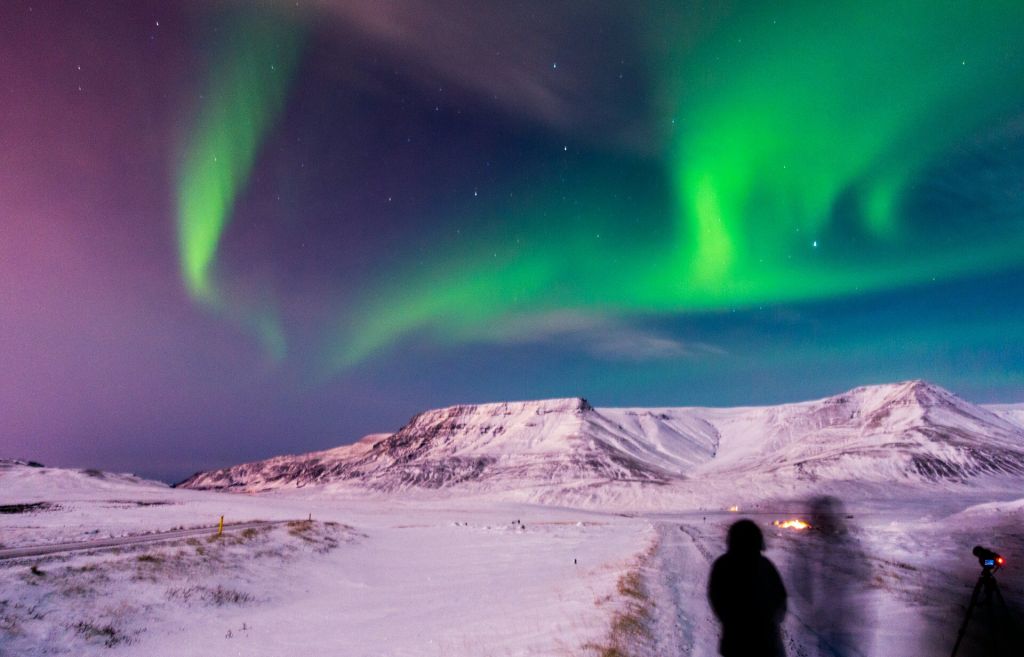 Photo by Mike Swigunski on Unsplash
Now that you’ve discovered the best destination to be, you’ll want to plan the best times and dates to see the Northern Lights. As the Aurora Borealis is a natural phenomenon, sightings often cannot be guaranteed, but you can always increase your chances of encountering it if you plan out your calendar right.
Most times, the best months to visit any of your favourite spots to see the Northern Lights are between the end of September and the early weeks of April, with prime winter months between December and February being some of the best times to go. This is because the nights are often longer, giving you plenty of time to explore your holiday destination and to enjoy the spectacular light show that nature has to offer.
As for the hour, we’re happy to recommend different timings for an unforgettable experience altogether. For starters, you’ll want to be out to seek the Aurora Borealis just after sunset, but with the sun still illuminating the skies by a touch. This perfect mix of sunlight with the colours of the Northern Lights makes for a fantastic sighting that’s hard to remember, especially if it’s your first time being out there.
Of course, the lights are always best viewed when the skies are darkest, making the hours between 9 PM and 2 AM a prime time for Aurora Borealis viewing. But don’t give up if you don’t see it immediately, as the Northern Lights are often known to be fashionably late.
Prepare for the weather: The best things to bring to combat the cold
Equipped with the knowledge of where to go and when to head out on your hunt for the Northern Star, you’d want to prepare a packing list to prepare for the weather. As the Northern Star is best seen at night and in the winter, it’s no surprise that you’ll be facing the freezing temperatures of single digits.
From thermal outfits to windproof jackets to keep out the cold, getting dressed warmly ensures you’ll have a better time while watching the Northern Star happen in front of your eyes. And don’t forget about covering your ears and fingers, as those parts often turn out to be the coldest parts when you’re out in the open. Subsequently, you’ll want to ensure you have waterproof items such as shoes and backpacks to ward off unexpected showers or even snow while you’re watching the Aurora unfold.
If you’ve got extra space in your bag, you’ll want to bring along extras such as a foldable chair or a picnic mat with soft pillows and a blanket to get comfortable while watching the Northern Star. Still worried about the cold? Having a hot water bottle or even reusable hand warmers can keep you warm as you’re enjoying the dancing lights in the skies.
Prepare for pictures: What you’ll need to capture nature’s memorabilia
With your bags packed and ready to go, you’re nearly there with seeing the Northern Lights. To prepare for the final bits of your unforgettable holiday, you’ll want to practice how to capture the best pictures of nature’s memorabilia. While many photographers may insist that you need a high-end camera to take pictures of the Northern Lights, most phone cameras these days can produce photos with almost the same results.
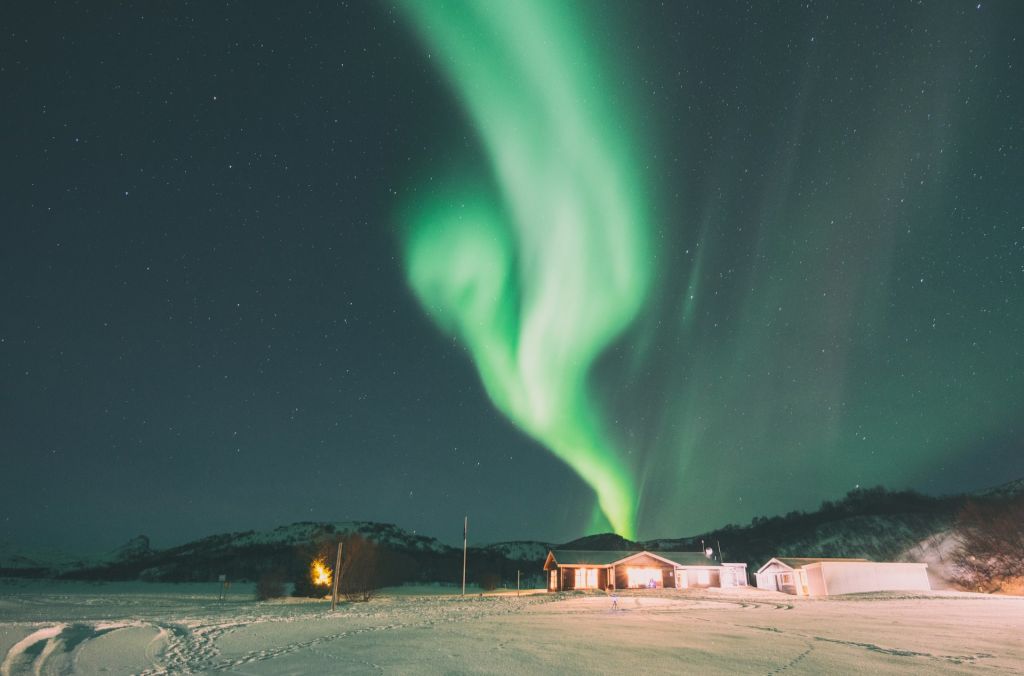 Photo by Jonatan Pie on Unsplash
However, it’s always good to practice with low-light photography before heading off to your holiday destination. Flash photography isn’t always the best, as it disrupts how the Northern Lights turn out in your picture. A great way to ensure you don’t end up with a shaky image is to bring along a sturdy tripod that can withstand the strong winds and still keep your phone stable as you hit that shutter. Due to the low temperatures, you may find your battery drains quicker than usual, so bringing a power bank is highly recommended to ensure you (or your camera) don’t miss out on any of the spectacle that’s happening in the skies.
Finally, it goes without saying that you’ll want to be patient when trying to capture the Northern Lights with your camera. As plenty of trial and error may be necessary, you’ll want to remember that you shouldn’t feel disappointed if you’re unable to capture the perfect shot of the Aurora Borealis. After all, what matters most is that you were there to experience the phenomenon in person, making it a holiday you’ll never forget.
Prepare for fun: Activities you can combine with your Northern Lights adventure
But did you know that being on the hunt for the Northern Lights isn’t the only thing you can do during your adventures? Many holidaymakers see this as the opportunity to explore more of the country they’re in, considering the distance you’ve travelled to make the Northern Lights hunt happen. Here are some fun activities in Iceland you can combine with your Northern Lights trip.
See the majestic Gullfoss Waterfalls
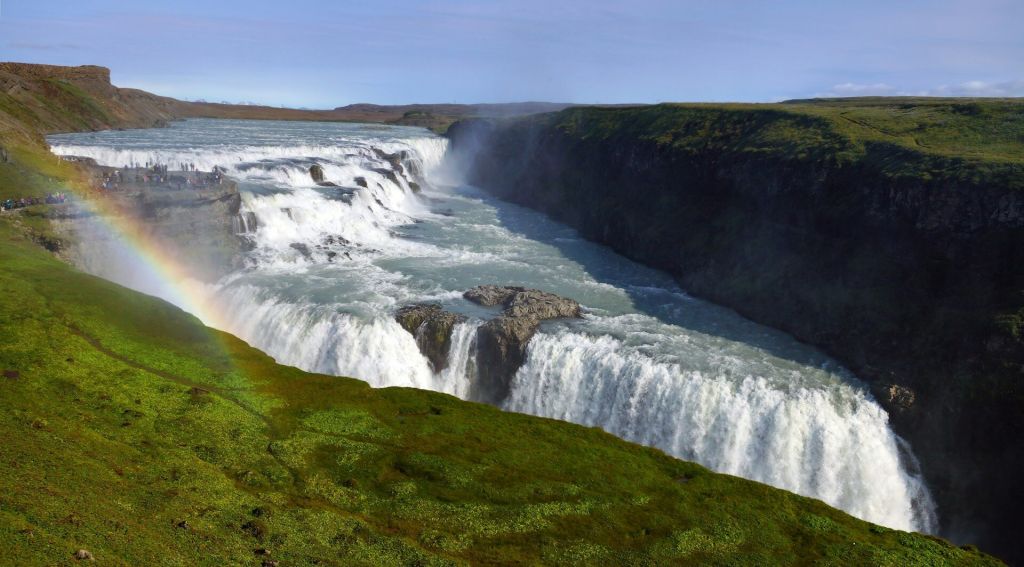 Photo by Martti Salmi on Unsplash
Set in the southwest of Iceland, the Gullfoss Waterfall is one of the most popular destinations to visit in the country. This natural waterfall is located in the canyon of the Hvítá river, and is often likened to Niagara Falls, boasting majestic views as the water plunges in two stages – the first being 11 meters tall before flowing 21 meters down into the Gullfossgljúfur canyon below.
The Gullfoss Waterfall is translated as “Golden Falls”, a name befitting of the cascade’s views, especially on sunny days. If you happen to find the right angle, you might even come across a rainbow fed by the strong, plunging waters.
Wake up to the gorgeous views of the Thingvellir National Park
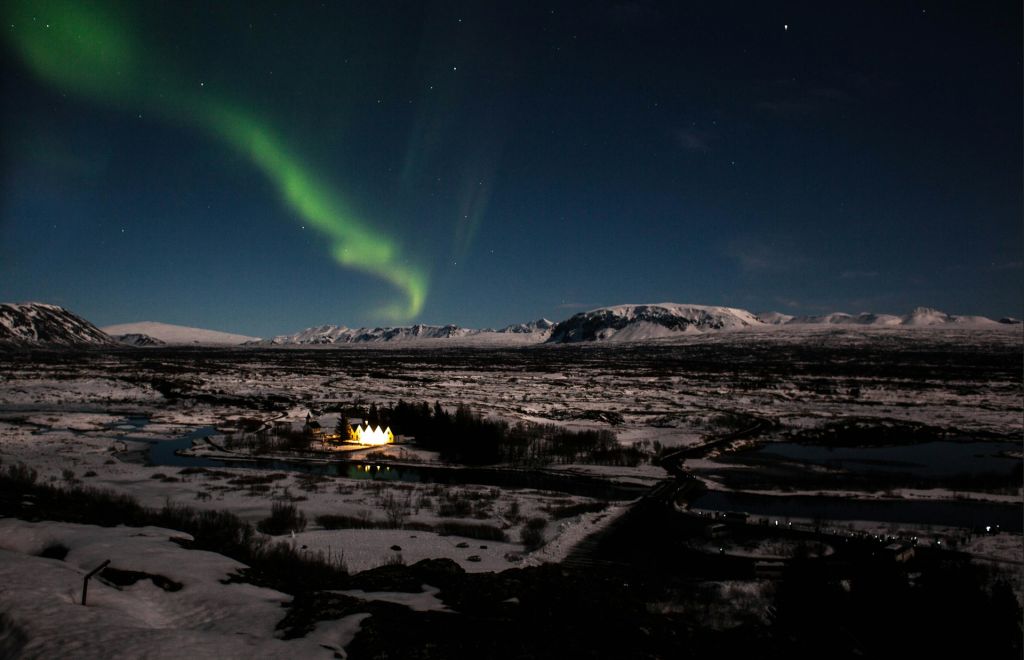 Photo by Kym Ellis on Unsplash
Prefer a trip that offers you laidback vibes while enjoying the beauty of Iceland? The historic Thingvellir National Park, which is set on the Mid-Atlantic Ridge line is Iceland’s national treasure that you must visit. Recognised as a UNESCO World Heritage Site, the park is where the Icelandic parliament first met in A.D. 930. From walking routes for easy hikes to interactive exhibitions where you can learn more about the history of Iceland, the Thingvellir National Park is a destination not to be missed, especially for first-timers.
To make things even more special, why not pitch a tent to stay the evening by the park’s campsite and wake up to unbelievable views the morning after? If you’re lucky, you may even spot more sights of the Northern Lights from the park. There are numerous campsites to choose from, though it’s best to check ahead of time, as certain areas may be closed during spring or winter seasons to accommodate weather changes.
Explore the city centre of Reykjavík
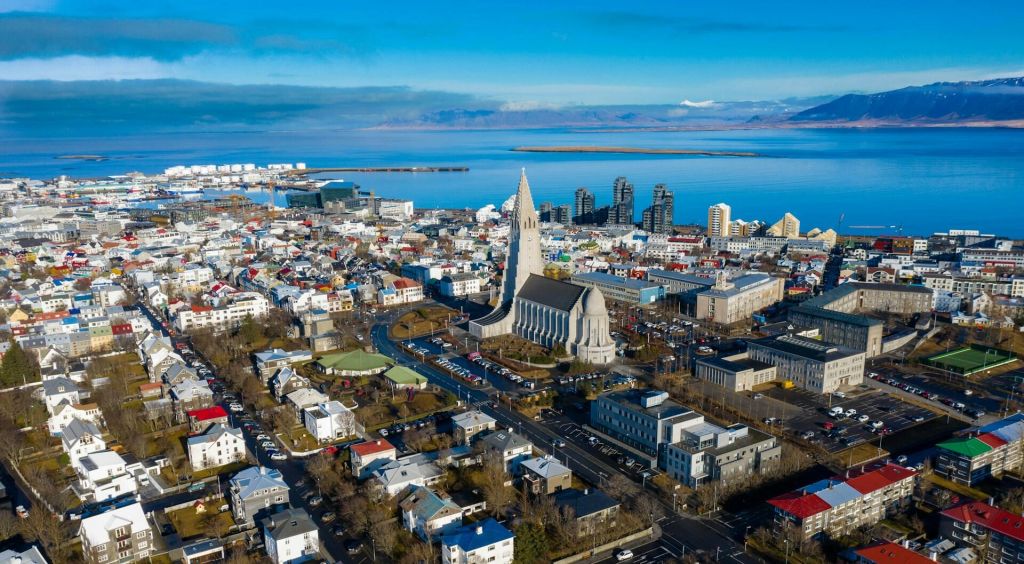 Photo by Einar H. Reynis on Unsplash
Of course, no visit to Iceland would be complete without popping by the capital city, Reykjavík. Offering a range of retail establishments and local restaurants where you can taste some of the most authentic Icelandic dishes, Reykjavík – or Miðborg to the locals – is where many of the country’s most iconic landmarks call home.
The Hallgrímskirkja, which stands 74.5 meters tall in the heart of the city, is one such destination, with this modern church being the largest in Reykjavík. It was completed in 1986 and is recognised for its distinctive design with a curved spire and side wings. Thanks to the church’s height, the Hallgrímskirkja is mostly visible from anywhere in the city and also houses an observation tower at the top. A small entrance fee is needed to access this spot, but many past visitors have raved about the breathtaking view from above.
Take a dip in Iceland’s oldest natural swimming pool
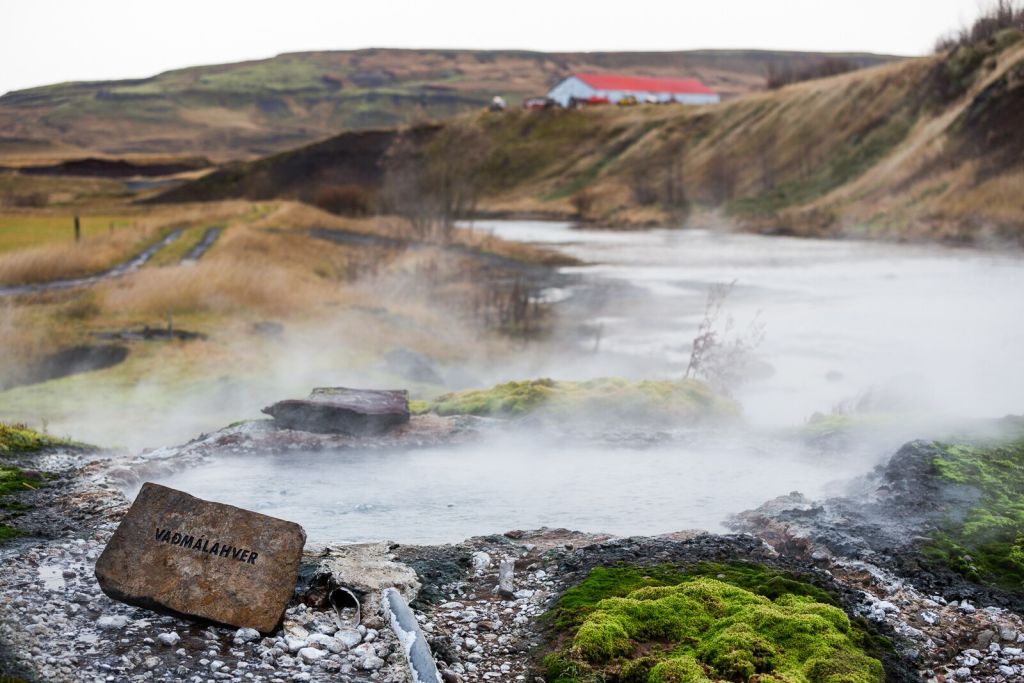 Photo by The Reykjavík Grapevine
Opened in 1891, the Gamla Laugin or the “Secret Lagoon” is Iceland’s oldest natural swimming pool. Nestled close to the geothermal area of Flúðir, what sets Gamla Laugin apart is how the water supply comes solely from active geysers around the area. In fact, you’ll even see the Vaðmálahver, Básahver, or Litli Geysers spouting every few minutes as you dip away your city stresses in the pool.
The hot springs remain a constant 38 to 40 degrees Celsius throughout every season and are always ready to welcome guests from all over the world. Unlike the more popular Blue Lagoon that you may have seen in many viral social media content pieces, water at the Secret Lagoon is full of sulphur that helps promote skin rejuvenation and improve circulation. The lack of silica also ensures you won’t encounter issues such as matted hair that’s notorious in the former tourist spot, allowing guests to soak comfortably and with peace of mind.
While there are fewer fancy amenities to be found at the Secret Lagoon, you can expect a more rustic experience that’s authentically Icelandic to give your holiday the perfect end it deserves.
If you’d like to simplify your planning process of catching the Northern Lights this 2025, why not let us do the work for you? Together with Insight Vacations, you could be setting off on a 7-day, 6-night excursion that will bring you to experience the Aurora Borealis and so much more.