
For many travellers, travelling to Japan meant following the well-trodden path through the neon streets of Tokyo or walking down the temples of Kyoto. But if you’re looking to swap the overcrowded tourist bottlenecks with an experience that is more authentic and untouched, then it’s definitely time for you to discover one of Japan’s best-kept secrets: Fukuoka.
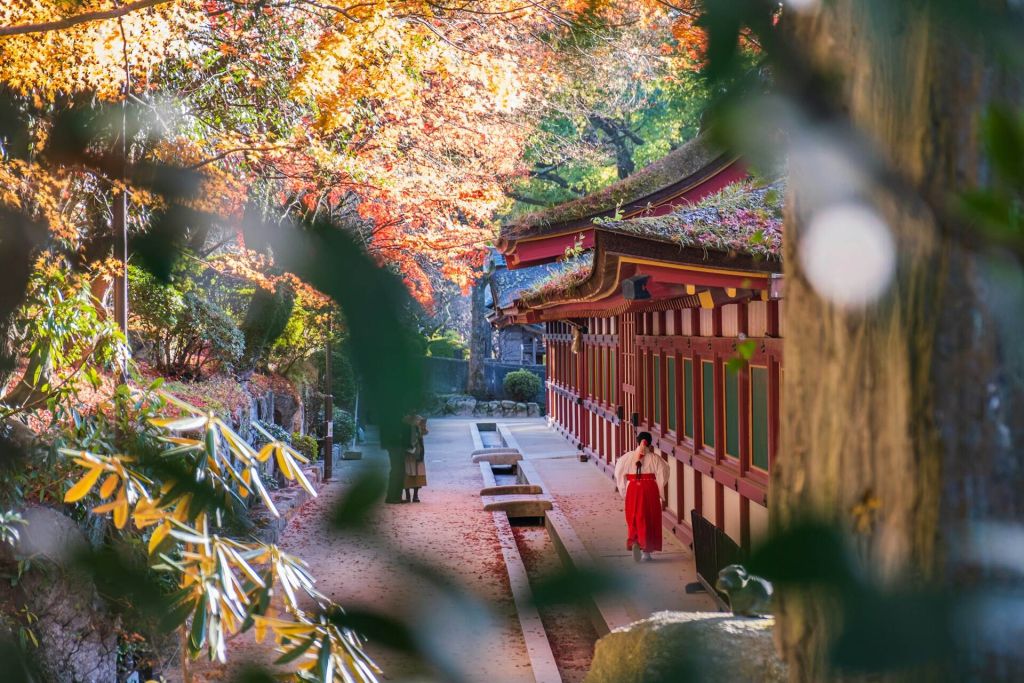 Photo by Nichika Sakurai on Unsplash
Set in the stunning southwest, excitement for this region is at an all-time high as it’s best known as the ultimate coastal city brimming with cultural immersion. Balancing the urban sophistication of modern shopping districts with the relaxed energy amid the 13th-century Zen temples sprawled through the prefecture, this vibrant destination often feels like an invitation to slow down and savour a raw slice of Japanese life.
However, visiting Fukuoka in the past meant spending time manoeuvring through domestic flights or exhausting train transfers at overwhelming rail stations. Thankfully, these exhausting travel days are soon to be over as Malaysia Airlines has announced direct flights from Kuala Lumpur to this southern paradise in the Kyushu region starting on the 2nd of September 2026. This means you’ll be bypassing the usual transit hubs and arrive right in the heart of the adventure, ready to explore Fukuoka from the moment you land.
So, whether you’re an adventurous soul looking to peer over the edge of a volcanic crater, a history buff seeking quiet reflection at a sacred peace memorial or simply want to spend some time sampling the world-famous Hakata ramen from any of the local ramen spots, this five-day itinerary will show you how to best enjoy your time in Japan’s stunning south.
Day 1: Your first steps in the legendary Fukuoka
Unlike most bustling metropolises in Japan, the Fukuoka Airport is located just a five-minute subway ride away from Hakata. Known as the bustling heart of the city, this unparalleled efficiency means you can leave your bags at your hotel and freshen up before heading out to explore the city right after you land. This helps maximise every hour of your first day here.
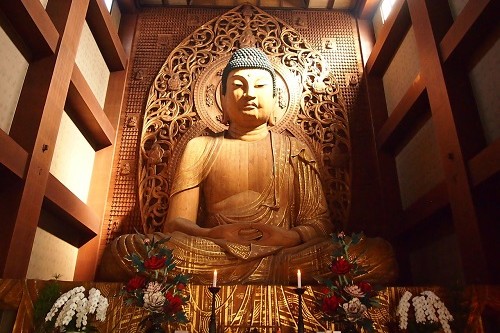 Whenever you’re ready, your journey should begin at the Tochoji Temple that sits in the middle of the city centre. It’s home to the largest seated wooden Buddha in Japan, the Fukuoka Daibutsu. Standing at nearly 11 meters tall, the statue is housed inside the temple building, which can be reached through a winding tunnel known as the “Corridor of Heaven and Hell”. Despite its thought-provoking name, walking through this corridor introduces you to striking Buddhist imagery before returning to the light, turning it into a profound, meditative escape right off the busy streets.
Over at Maizuru Park, the serene past of the Fukuoka Castle ruins serves as a peaceful introduction to the city’s rich samurai history. Once recognised as the largest castle in Kyushu, this historic space now holds the remains of the stone walls and turrets that made up this massive 17th-century fortress. Surrounded by lush greenery, this pitstop in the middle of the city definitely sets the tone for your upcoming days in Fukuoka.
As the afternoon fades into evening, we recommend walking along the Naka River to watch the night come alive. The neon lights that reflect off the waters often transform the city’s atmosphere into an unforgettable sight, marking yet another must-try experience, especially for first-timers in Fukuoka.
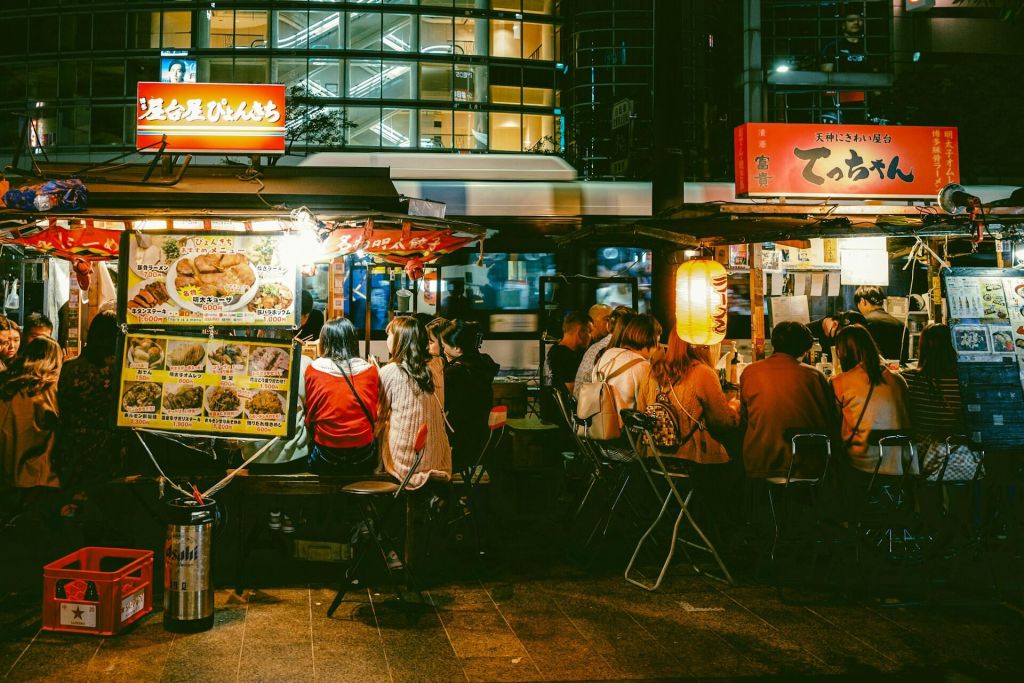 Photo by Nichika Sakurai on Unsplash
The said experience is, of course, none other than slurping on a bowl of Hataka ramen at a riverside Yatai or open-air food stalls. Particularly popular in the Nakasu and Tenjin districts, these atmospheric wooden carts that open up across the city fill the air with the rich aroma of pork bone broth that’s been simmering for hours, attracting hungry passersby with its savoury warmth. Served with straight noodles cooked to al dente perfection and melt-in-your-mouth chashu pork, the Hakara Tonkonsu ramen is the ultimate comfort food after a long day of exploring.
Do note that most of these traditional outdoor stalls still don’t accept credit cards or digital payments, so it’s best to keep some cash on hand and be prepared to share the space with some locals as you sample the best flavours on the street.
Day 2: How much volcano is too much volcano at Mount Aso?
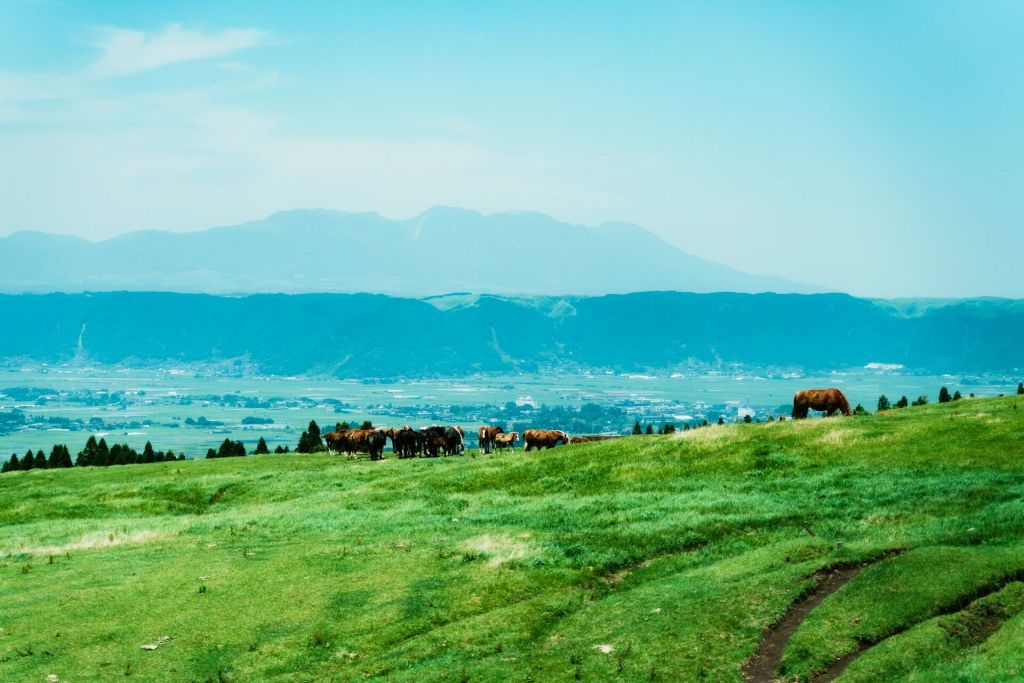 Photo by
 As you’ve warmed up to Fukuoka, it’s time to set out on a journey to explore Mount Aso. With its colossal caldera spanning over 120 kilometres in circumference, Mount Aso remains one of the world’s largest active volcanoes, offering a breathtaking view amid its green grasslands and rugged backdrops of steaming peaks. Whether you choose to take the train or drive out from Fukuoka, venturing to Mount Aso often redefines the perspective of a true Japan.
The definitive highlight of this visit is standing on the edge of Nakadake, one of the five main peaks of Mount Aso. While it’s not for the faint of heart, adventurous travellers will be greeted with sights of a roiling lake of emerald-green acidic water at the bottom of this active crater. The constant venting of thick, white sulphurous steam adds to the dramatics of this experience, though many would deem witnessing a live volcano breathe in front of their eyes a true bucket-list moment.
To ensure you have a safe viewing experience, it’s always best to check the live Mount Aso safety status before heading out. This helps keep you safe as Nakadake remains a fully active crater, and the viewing platforms may be closed to the public if the volcanic gas emissions become too high. It’s also worth noting that travellers with asthma or respiratory issues should heed warnings around the area and opt to enjoy the spectacular views from a lower-altitude instead.
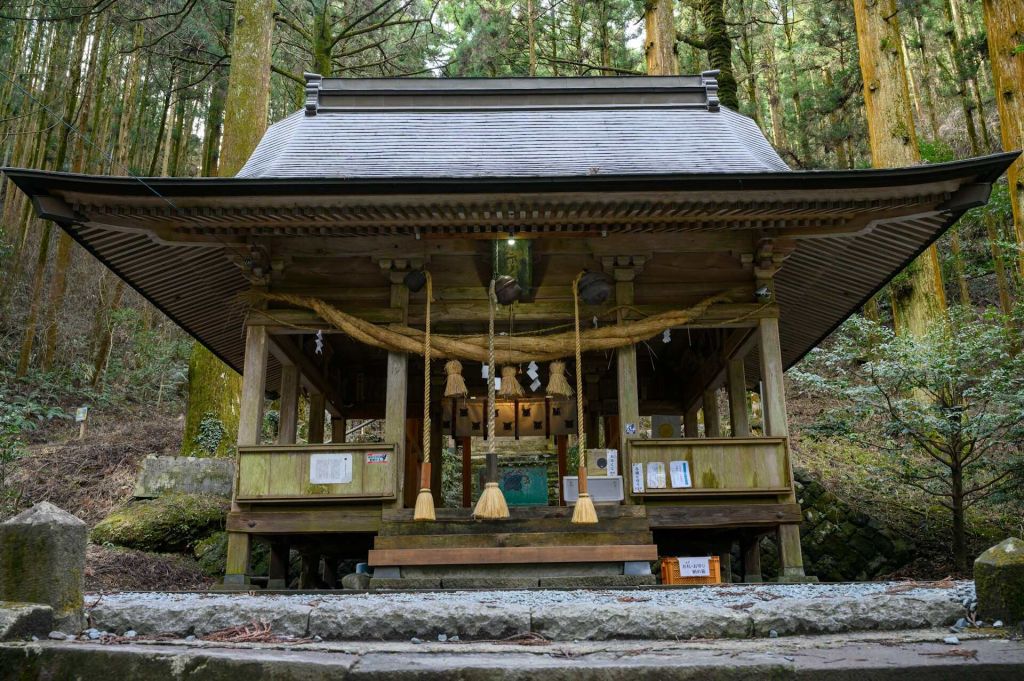 Photo by Kouji Tsuru on Unsplash
While you’re in the region, you’ll also want to seek out the ancient, moss-draped paths leading to the Kamishikimi Kumanoimasu Shrine. Tucked away inside a dense cedar forest, this spiritual site is a favourite among locals but remains blissfully missed by most international tourists. Just be sure to wear comfortable shoes if you plan to make this a part of your itinerary, as you’ll be expected to walk up a set of steep staircases to reach the top.
As a reward, however, you’ll be earning bragging rights long after you’ve left Fukuoka. This is because the massive rock formation that awaits at the end of this hike is long celebrated as a symbol of overcoming impossible hardships, and you’ll be able to say you’ve seen it with your own eyes.
Day 3: Cruising through the myth and mystery of Takachiho Gorge
By now, you will have officially reached the halfway mark of your trip in Fukuoka, but the adventures in the Kyushu region don’t stop here. Instead, you’ll journey to one of Japan’s most visually spectacular landscapes on this day, the Takachiho Gorge. Formed centuries ago by the rapid cooling of volcanic lava from Mount Aso, this stunning gorge features sheer, column-like basalt cliffs that rise up to 100 metres above the Gokase River.
For an unforgettable experience of the gorge, we recommend renting a traditional wooden rowboat. This will allow you to glide through the quiet waters as you look up at the dramatic, moss-draped rock faces, all while passing alongside the spectacular Manai Falls. Here, the pristine mountain water cascades down from 17 metres above, crashing deep into the river to cast an ethereal, cool mist across the canyon.
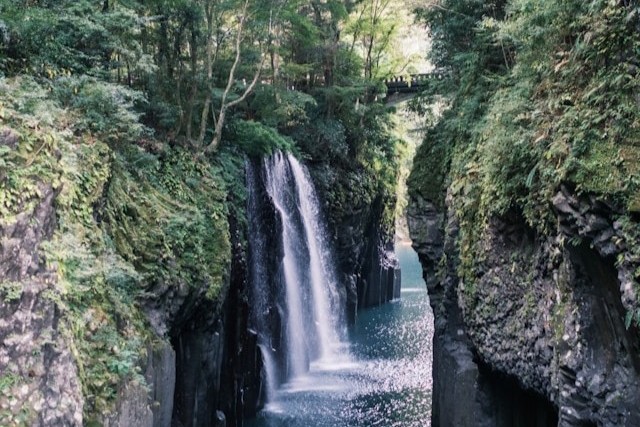 Photo by Daniel Newman on Unsplash
As rowing a boat next to the Manai Falls can get incredibly popular, rentals can sell out fast. To avoid leaving empty-handed and disappointed during your trip, you’ll want to get a confirmed reservation ahead of time. These digital bookings open exactly 30 days in advance of the date of your intended visit and can be done via the official Takachiho tourism website. Should you miss the online window, however, a very limited number of tickets are usually available at the pier at 8:30 AM, though you’ll have to arrive really early to snag one for yourself.
Before returning to Fukuoka for the evening, be sure to hike up to the observation points located near the Takachiho Shrine, where you’ll find Kihachi’s Strength Stone or Kihachi no Chikaraishi. According to the local folklore, this massive 200-ton boulder is said to have been thrown here by a powerful demon named Kihachi to display his immense strength to a spiritual deity. Today, this giant relic is completely surrounded by ancient cedar trees that are said to be over 800 years old, turning it into a hidden gem with a touch of whimsy.
Day 4: Experiencing the thermal wonders of SOUTHERN JAPAN
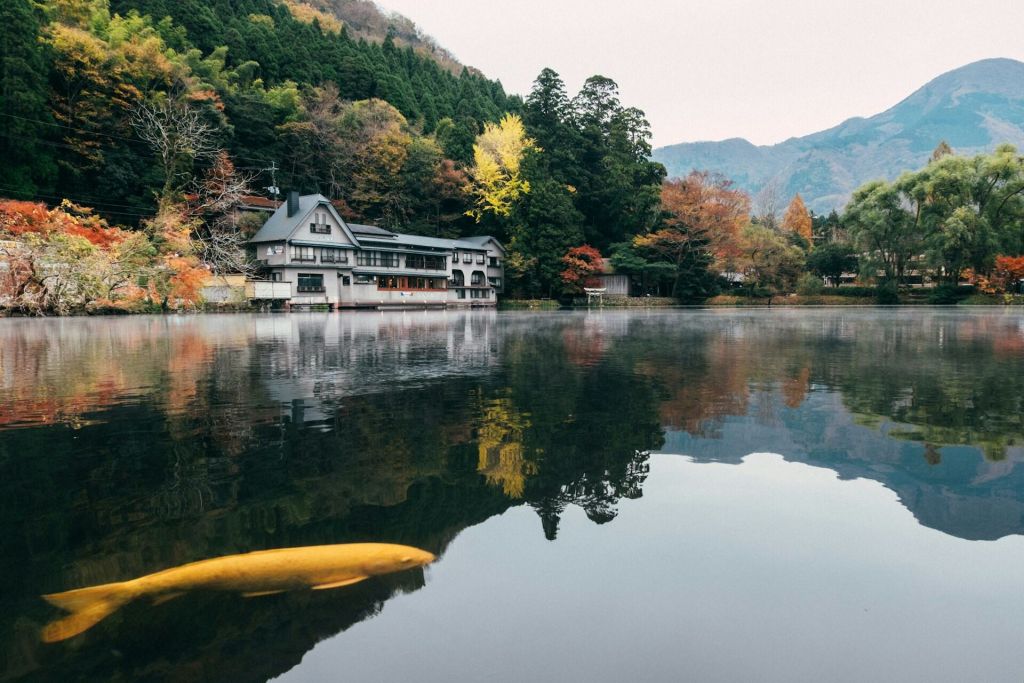 Photo by Tayawee Supan on Unsplash
With Fukuoka serving as a vibrant base for your travels so far, your fourth day here should lead you eastward into the misty, geothermal heart of the region. This specifically points to the hot spring towns of Beppu and Yufuin, where the thick plumes of natural volcanic steam that gently rise from the mountain crevices and stone pathways are the norm. Easily accessible following a scenic two-hour ride on the limited express train from Hakata Station, experiencing the thermal wonders of Fukuoka is something you should try at least once.
To start, you’ll spend your morning wandering through boutique cafés and artisan-lined streets, all of which are surrounded by the backdrop of picturesque alpine valleys. As you make your way deeper into the city, the earth’s raw, healing power slowly reveals itself at every turn, offering a relaxing contrast to the modern sights and whimsical experiences that you’ve seen and felt in the days before.
A popular destination for those seeking a deeply traditional soak is the Kurokawa Onsen, a stunning village that’s tucked away in a lush valley. Famed for its preserved wooden architecture, earthen walls, and stone steps, this must-visit destination will make you feel like you’ve just stepped back into the Edo period. Do note, however, that visiting any of the onsens often comes with a set of basic rules, and some hot spring establishments may turn you down if you have a visible tattoo as you enter.
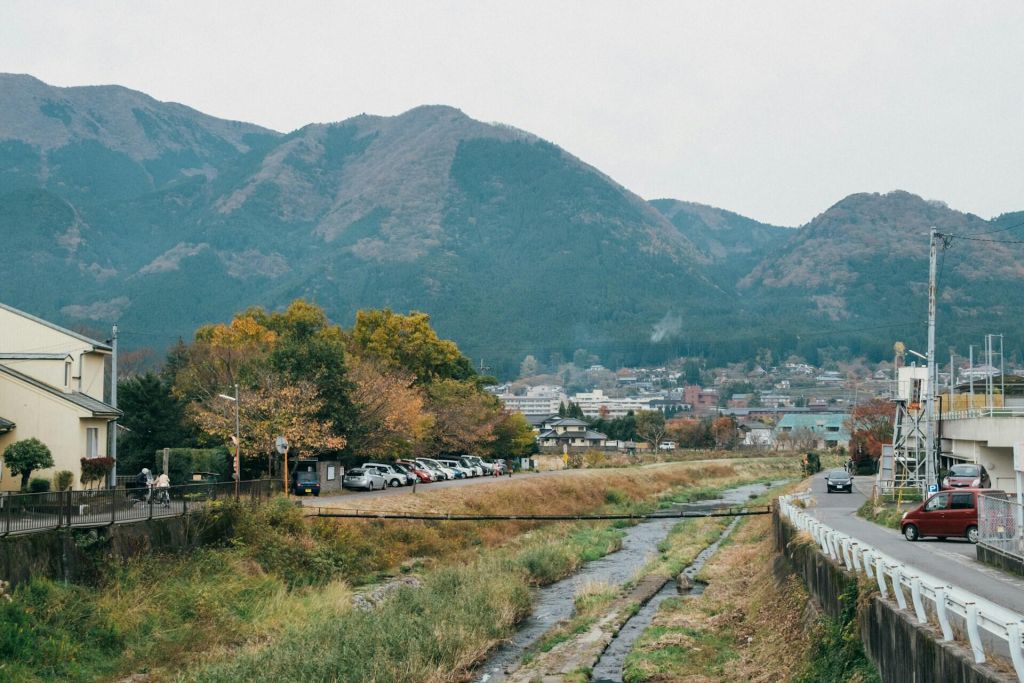 Photo by Tayawee Supan on Unsplash
And while it’s absolutely doable to turn this into a day trip from Fukuoka, those who prefer to fully immerse themselves with a traditional stay may also opt to put up a night at any of the traditional ryokans or traditional Japanese inns that are set along the river. This allows you to wake up to nature, feeling absolutely refreshed following a warm soak in the hot springs to melt away any fatigue from your previous day’s volcanic hike and gorge expedition.
Day 5: Reliving the echoes of history IN NAGASAKI
With your final day in the southern region of Japan now ahead of you, there’s only one place left to visit, and that’s the Nagasaki Peace Park and Atomic Bomb Museum in Nagasaki. Easily reachable from Fukuoka via the Nishi-Kyushu Shinkansen line, the day trip typically takes you an hour and a half each way, giving you maximum time to explore the city without feeling rushed.
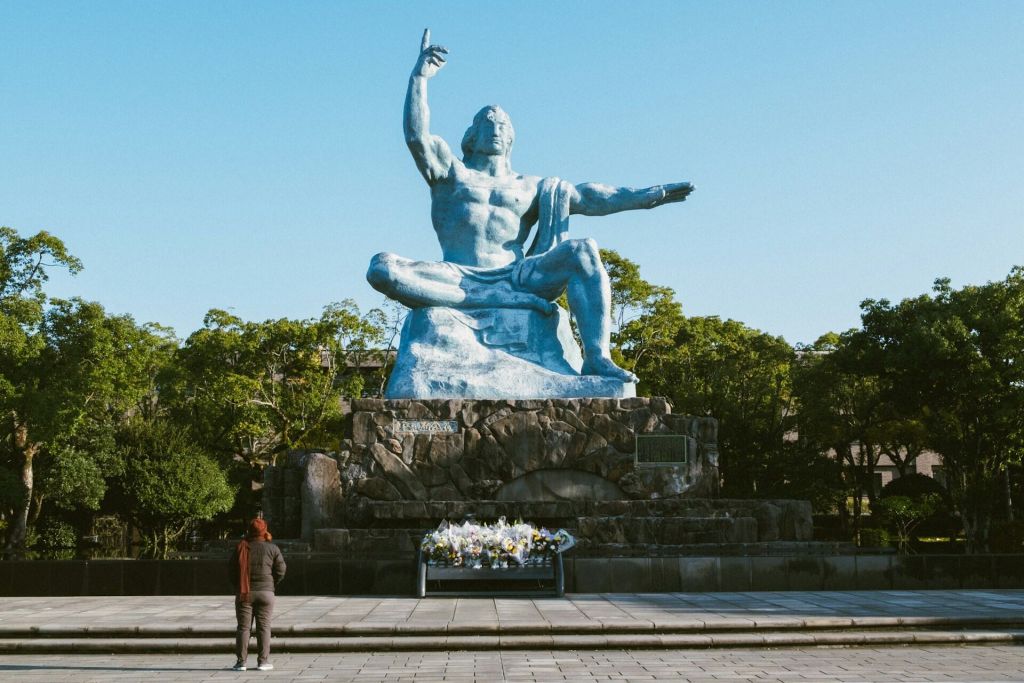 Photo by Tayawee Supan on Unsplash
The Nagasaki Peace Park and Atomic Bomb Museum itself is built near the explosion’s epicentre, providing visitors with a quiet place to reflect on human resilience and the global plea for world peace. As you walk past the iconic, 10-metre-tall Peace Statue, do take a moment to see how its right hand points toward the danger of nuclear weapons while its left extends to eternal peace. Many who have visited this spot regard the sacred space as a place where the profound impact of the sombre history can be felt, although it’s also the most memorable way to wrap up their time in Japan.
Inside the Atomic Bomb Museum, the journey through history is handled with immense dignity. Allocating between an hour and three hours here is highly recommended, as you’ll get to experience a self-guided walking tour through the narrative galleries. Among its items on display are poignant artefacts and survivor testimonies, though the one thing that captures the most attention is a clock that is frozen forever at 11:02 AM – the exact minute in which the atomic bomb detonated over this city on the 9th of August 1945.
Before making your way back to Fukuoka to prepare for your return home, be sure to stop by the designated areas where you’ll find millions of hand-folded origami paper cranes that have been sent by people from all over the world. It acts as a symbol of hope and a nuclear-free future, proving that while history can divide us, a shared thread of compassion is all that’s needed to bind people together across every culture, border, and generation.
Ready to trade the ordinary days for an extraordinary time away? With Malaysia Airlines’ direct flights to Fukuoka debuting on the 2nd of September 2026, your adventures to southern Japan may just be closer than ever. So, get in touch with our travel advisors and discover how you can enjoy exclusive discounts and extra perks for your trip when you grab your tickets before the 30th of June.